
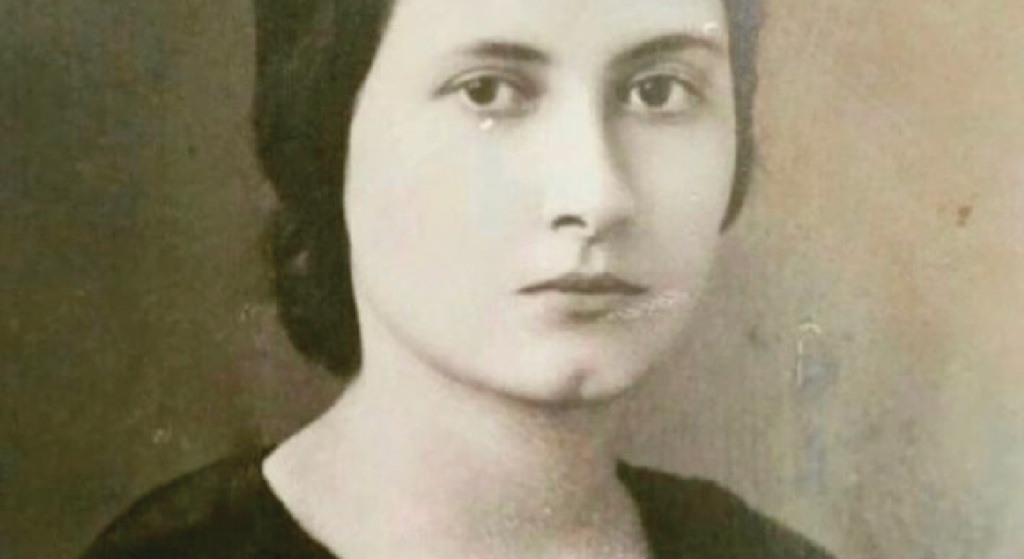
1) Her Biography
Rabab al-Kadhimi was an Iraqi poet who emerged during a formative period in modern Arabic literary history, when traditional poetic forms were being re-examined in light of social and intellectual change. She is generally associated with Baghdad, a city that, in the late nineteenth and early twentieth centuries, functioned as a major centre of learning, literary exchange, and cultural continuity within the Arab world. Her poetic voice developed at a time when women’s participation in literary culture was limited, making her presence in the poetic sphere particularly significant.
She was born into an educated family environment that valued learning, language, and classical Arabic culture. This background allowed her early exposure to Arabic literature, including the Qur’an, classical poetry, and rhetorical traditions. Such an upbringing was crucial in shaping her command of language and her adherence to established poetic conventions. Unlike many later modernists, Rabab al-Kadhimi remained deeply rooted in classical forms while subtly expanding their expressive range.
Her education was largely informal but rigorous, following the traditional model of home-based instruction common for women of her era. Through private study and mentorship, she developed proficiency in Arabic grammar, prosody, and literary aesthetics. This scholarly foundation enabled her to compose poetry that met the strict formal expectations of classical Arabic verse, earning respect within learned circles despite prevailing gender constraints.
Rabab al-Kadhimi’s literary activity coincided with a period of intellectual awakening in Iraq, marked by debates about reform, identity, and cultural renewal. Although she did not openly engage in political discourse, her poetry reflects an acute awareness of moral values, social responsibility, and the emotional dimensions of personal experience. Her work thus occupies a space between tradition and quiet introspection rather than overt reformism.
As a woman poet, she navigated social limitations with restraint and dignity. Rather than challenging norms directly, she expressed her perspectives through accepted poetic themes such as wisdom, devotion, longing, and ethical reflection. This approach allowed her poetry to circulate without provoking resistance, while still asserting a distinct feminine presence within a male-dominated literary tradition.
Her poems were shared within literary gatherings and circulated among educated audiences, particularly those interested in refined classical verse. Though she did not enjoy widespread fame during her lifetime, her work was recognised by contemporaries for its elegance and linguistic discipline. Her reputation rested on the quality of her verse rather than on public prominence.
Rabab al-Kadhimi’s life reflects the broader experience of many early Arab women writers whose contributions were shaped by cultural constraints yet marked by intellectual resilience. Her biography is best understood not through dramatic public events but through her sustained commitment to poetry as a form of cultural participation and personal expression. In this sense, her life and work together represent an important chapter in the understated yet meaningful history of women’s poetry in Iraq.
2) Main Works
Collected Poems (Diwan of Rabab al-Kadhimi)
Rabab al-Kadhimi’s poetic output is primarily preserved in a collected diwan rather than in separately titled volumes. This collection brings together her qasidas and shorter lyrical poems, all composed in classical Arabic metres. The diwan reflects her mastery of traditional prosody and her preference for refined, morally grounded themes.
Poems of Devotion and Ethical Reflection
A significant portion of her work consists of devotional poems that explore faith, humility, and moral responsibility. These poems draw upon Qur’anic imagery and classical ethical discourse, presenting poetry as a means of spiritual contemplation rather than mere aesthetic pleasure.
Elegiac Poems
Rabab al-Kadhimi wrote several elegies mourning the loss of loved ones and respected figures. These poems are marked by emotional restraint and formal elegance, adhering to classical conventions while conveying sincere personal grief. The elegies demonstrate her ability to balance emotional depth with stylistic discipline.
Wisdom Poetry (Hikmati Verse)
Her hikmati poems focus on life’s transience, the nature of virtue, and the importance of inner integrity. Written in a reflective tone, these works align her with a long Arabic tradition of didactic poetry, positioning the poet as a moral observer of human conduct.
Poems on Womanhood and Inner Experience
Although subtle, some of her poems address the inner emotional world of women, including longing, patience, and silent endurance. Rather than overt social critique, these works use symbolic language to articulate a distinctly feminine sensibility within accepted poetic norms.
Occasional and Social Poems
Rabab al-Kadhimi also composed occasional poems for social or cultural gatherings, such as commemorations or scholarly assemblies. These poems display rhetorical polish and demonstrate her ability to adapt classical forms to specific social contexts.
Correspondence in Verse
A smaller group of her poems function as verse letters exchanged with contemporaries. These pieces highlight poetry’s role as an intellectual and social medium, revealing her participation in literary dialogue despite limited public visibility.
3) Main Themes
Faith and Spiritual Devotion
Faith occupies a central position in Rabab al-Kadhimi’s poetry, where religious belief is presented as a source of inner balance and moral clarity. Her poems frequently draw on Qur’anic language, supplicatory tones, and imagery associated with humility before God. Rather than theological argument, her devotional verse emphasises personal piety and the emotional dimensions of belief.
This spiritual orientation gives her poetry a contemplative quality, encouraging reflection rather than emotional excess. Faith becomes a lens through which human suffering, hope, and endurance are understood, reinforcing poetry’s role as a medium for ethical self-examination and spiritual refinement.
Ethics and Moral Wisdom
Moral reflection is a recurring theme in her work, closely aligned with the classical Arabic tradition of wisdom poetry. Rabab al-Kadhimi often reflects on virtues such as patience, integrity, and restraint, presenting them as essential qualities for navigating life’s uncertainties. Her tone is advisory yet gentle, avoiding moral severity.
These poems position the poet as a thoughtful observer of human behaviour rather than a social critic. By grounding ethical insight in poetic elegance, she transforms moral instruction into a reflective experience, allowing readers to internalise values through aesthetic engagement.
Grief and Elegiac Reflection
Elegy plays a significant role in her poetry, particularly in response to personal loss and the inevitability of death. Her treatment of grief is marked by composure and dignity, adhering closely to classical elegiac conventions while conveying genuine emotional depth.
Through elegy, Rabab al-Kadhimi explores themes of transience and remembrance, using loss as a means to reflect on the fragility of human life. These poems often shift from personal sorrow to universal meditation, reinforcing poetry’s function as a bridge between private emotion and collective understanding.
Inner Emotional Life
Many of her poems focus on the interior emotional world rather than external events. Feelings such as longing, quiet sorrow, and emotional endurance are expressed through restrained imagery and symbolic language, allowing personal experience to be conveyed without overt self-disclosure.
This inward focus reflects the social realities faced by women poets of her time, for whom public expression was limited. By privileging inner life, Rabab al-Kadhimi creates a subtle yet powerful poetic space where emotional truth can exist within accepted literary boundaries.
Transience of Life and Human Frailty
The impermanence of worldly existence is a persistent theme in her poetry. She frequently reflects on the fleeting nature of youth, status, and earthly attachments, reminding readers of the inevitability of decline and loss.
These reflections are not pessimistic but contemplative, encouraging detachment and moral awareness. By emphasising human frailty, her poetry aligns ethical living with an acceptance of life’s temporary nature, reinforcing a worldview shaped by both spiritual and philosophical insight.
Tradition and Continuity
Rabab al-Kadhimi’s work consistently affirms the value of literary and cultural tradition. Her adherence to classical metres, established imagery, and inherited themes reflects a belief in continuity rather than rupture within Arabic poetry.
At the same time, her voice adds nuance to this tradition by incorporating a distinctly feminine sensibility. In doing so, she demonstrates how classical forms can accommodate new perspectives without abandoning their foundational aesthetic and moral principles.
4) Rabab as a Poet
Rabab al-Kadhimi’s poetic identity is firmly grounded in the classical Arabic tradition, particularly in her disciplined use of established metres and rhyme schemes. She approached poetry as a craft governed by rules, balance, and refinement, reflecting a deep respect for the inherited norms of Arabic prosody. This formal mastery allowed her to compose verse that met the expectations of learned audiences and secured her place within a tradition that valued linguistic precision and aesthetic restraint.
Her poetic voice is characterised by composure rather than dramatic intensity. Unlike poets who foreground emotional excess or rhetorical flourish, Rabab al-Kadhimi favoured clarity, moderation, and moral seriousness. This restrained tone lends her poetry an air of dignity, making emotional expression appear thoughtful and deliberate rather than spontaneous or uncontrolled. Such an approach aligns her with classical ideals of poetic decorum.
As a poet, she demonstrated a keen sensitivity to language, particularly in her careful choice of vocabulary and imagery. Her diction is elevated yet accessible, drawing on familiar symbolic registers without descending into ornamentation for its own sake. Imagery in her poems often serves an ethical or emotional purpose, reinforcing themes of devotion, reflection, and inner discipline.
Her position as a woman poet significantly shaped her poetic stance. Operating within a cultural context that restricted women’s public literary expression, Rabab al-Kadhimi adopted a mode of writing that was socially acceptable yet personally meaningful. Rather than confronting norms directly, she worked within them, subtly asserting her presence through intellectual authority and artistic competence.
Rabab al-Kadhimi’s poetry is notable for its inward orientation. She frequently turns away from public events and external narratives, focusing instead on inner states such as contemplation, sorrow, patience, and moral resolve. This inwardness does not diminish the scope of her work; rather, it universalises personal experience by connecting it to shared ethical and spiritual concerns.
Her engagement with religious and moral themes further defines her poetic identity. Poetry, for Rabab al-Kadhimi, was not merely a vehicle for aesthetic pleasure but a means of ethical reflection and spiritual discipline. This seriousness of purpose situates her within a long tradition of poets who viewed verse as a moral practice rather than an autonomous art.
In literary gatherings and scholarly circles, her poetry was respected for its formal correctness and intellectual depth. Although she did not achieve wide popular fame, her work earned recognition among those who valued classical craftsmanship. This limited but discerning audience reflects the nature of her poetry, which prioritised refinement over mass appeal.
Rabab al-Kadhimi stands as a poet of quiet authority. Her significance lies not in innovation or public influence but in her ability to inhabit classical poetic forms with sincerity, moral insight, and a distinctly feminine presence. Through discipline, restraint, and ethical clarity, she contributed meaningfully to the continuity of Arabic poetic tradition.
5) Her Legacy
Rabab al-Kadhimi’s legacy rests primarily on her role as an early female voice within the classical Arabic poetic tradition in Iraq. At a time when literary culture was overwhelmingly male-dominated, her sustained engagement with poetry affirmed women’s capacity to participate in scholarly and artistic life. Her work stands as evidence that intellectual discipline and poetic mastery were not confined by gender, even within restrictive social frameworks.
Her adherence to classical forms has ensured that her poetry remains valuable to scholars interested in the continuity of Arabic literary tradition. Rather than representing a break with the past, Rabab al-Kadhimi exemplifies how inherited poetic structures could be preserved and enriched through individual sensibility. This makes her work particularly relevant in studies of pre-modern and transitional Arabic poetry.
For later generations of women poets, her career offers a model of literary participation that balances personal expression with cultural expectation. She demonstrated that it was possible to articulate inner experience, ethical reflection, and emotional depth without transgressing accepted norms. This quiet strategy of engagement influenced the gradual expansion of women’s literary presence in the Arab world.
Her poetry has also contributed to the preservation of ethical and devotional verse as a respected poetic mode. In an era increasingly marked by political and social upheaval, her work reaffirmed poetry’s role as a space for moral contemplation and spiritual introspection. This emphasis helped sustain a tradition of reflective verse that continued alongside more overtly reformist literature.
Although her name does not appear prominently in mainstream literary histories, her work has been recognised in specialised studies of women’s writing and Iraqi literary culture. Scholars have increasingly acknowledged the importance of recovering such voices to achieve a fuller understanding of Arabic literary history. In this context, Rabab al-Kadhimi’s poetry has gained renewed scholarly attention.
Her legacy is also pedagogical in nature. Her poems are often cited as examples of formal correctness, linguistic elegance, and ethical seriousness, making them useful in the study of classical Arabic prosody and style. Through this educational role, her work continues to shape appreciation for traditional poetic craftsmanship.
Culturally, Rabab al-Kadhimi represents a form of literary resilience. By writing within established norms while maintaining intellectual independence, she carved out a space for women’s authorship in a conservative environment. This balance between conformity and self-expression remains an important aspect of her enduring significance.
Rabab al-Kadhimi’s legacy lies in quiet endurance rather than public acclaim. Her contribution to Arabic poetry is defined by discipline, moral insight, and a sustained commitment to tradition. Through these qualities, she occupies a meaningful place in the understated yet essential history of women’s poetry in Iraq.