
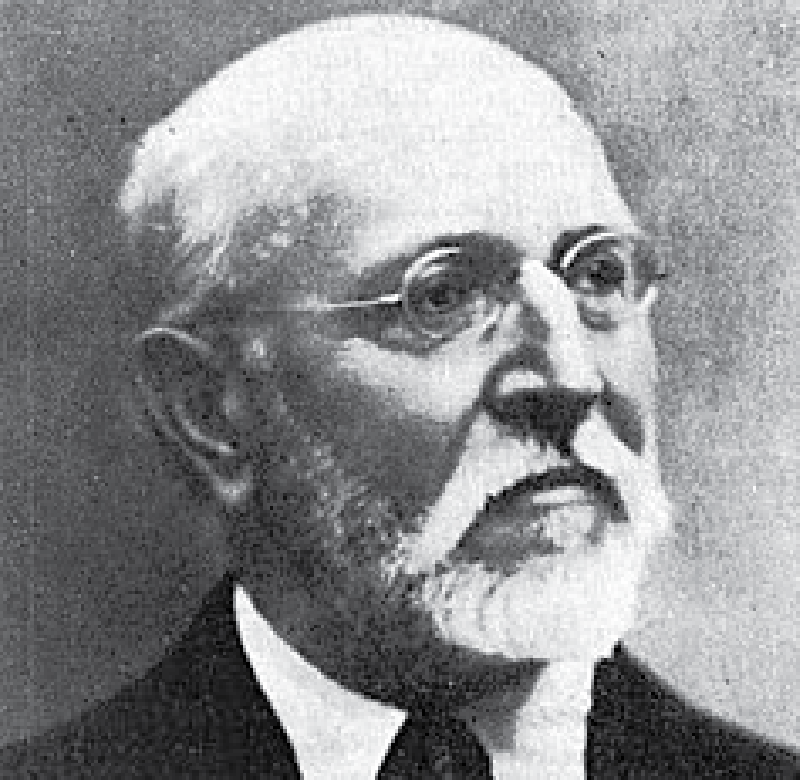
1) His Biography
Louis de Beaufront was a prominent figure in the late 19th and early 20th centuries, known for his diverse contributions spanning literature, linguistics, and diplomacy. Born on November 6, 1855, in Paris, France, Beaufront exhibited intellectual prowess from a young age. He pursued his education at prestigious institutions, including the École Normale Supérieure and the Sorbonne, where he delved into the realms of languages, literature, and philosophy. His early academic pursuits laid the foundation for his later accomplishments and established him as a formidable intellect within French intellectual circles.
Beaufront’s interest in languages and linguistics became apparent early in his career. He dedicated himself to the study of various languages, including Arabic, Chinese, and Japanese, demonstrating a remarkable aptitude for mastering diverse linguistic systems. This linguistic expertise would later prove invaluable in his diplomatic endeavours, enabling him to engage with foreign cultures and forge meaningful connections across linguistic boundaries.
In addition to his linguistic pursuits, Beaufront was deeply involved in literature and literary criticism. He contributed extensively to literary journals and publications, offering insightful analyses of both French and foreign literature. His nuanced understanding of language and literature allowed him to explore complex themes and delve into the intricacies of literary expression. Beaufront’s literary contributions garnered widespread acclaim and cemented his reputation as a discerning critic and scholar.
Beyond his academic pursuits, Beaufront was actively engaged in diplomatic affairs, serving as a diplomat in various capacities. His linguistic abilities and cultural sensitivity made him an invaluable asset in international negotiations and diplomatic missions. Beaufront’s diplomatic career saw him representing France in key diplomatic initiatives and fostering diplomatic relations with nations around the world. His diplomatic endeavours were characterised by diplomacy, tact, and a deep understanding of international relations.
Throughout his life, Beaufront remained committed to intellectual pursuits and cultural exchange. He continued to write prolifically, producing works that reflected his broad interests and intellectual curiosity.
2) Main Works
Essais de linguistique générale (Essays on General Linguistics):
Louis de Beaufront’s “Essais de linguistique générale” stands as a seminal work in the field of linguistics. Published in 1894, this comprehensive collection of essays explores fundamental principles of language structure, semantics, and phonetics. Beaufront’s meticulous analysis delves into the intricate mechanisms that govern language, offering insights into the universality of linguistic phenomena. Drawing from a wide range of linguistic traditions, including Indo-European and non-Indo-European languages, Beaufront’s work illuminates the diversity and complexity of human language. “Essais de linguistique générale” remains a cornerstone text for scholars and students of linguistics, providing a solid foundation for understanding the intricacies of language systems.
La Pensée chinoise (Chinese Thought):
Beaufront’s “La Pensée chinoise,” published in 1900, is a groundbreaking exploration of Chinese philosophy and culture. In this seminal work, Beaufront examines key philosophical concepts and cultural practices that have shaped Chinese civilization. From Confucianism to Taoism, Beaufront offers a comprehensive overview of Chinese thought, highlighting its profound influence on global intellectual history. Through meticulous analysis and scholarly insight, “La Pensée chinoise” provides readers with a deeper understanding of Chinese philosophy and its enduring relevance in the modern world.
Le Roman japonais (The Japanese Novel):
Beaufront’s “Le Roman japonais,” first published in 1905, is a pioneering study of Japanese literature and literary traditions. In this influential work, Beaufront explores the rich tapestry of Japanese novels, from classic masterpieces to contemporary works. Through insightful analysis and literary criticism, Beaufront offers readers a nuanced perspective on the themes, styles, and cultural significance of Japanese literature. “Le Roman japonais” remains an essential resource for scholars and enthusiasts of Japanese literature, offering valuable insights into the unique aesthetic and narrative techniques of Japanese novels.
Les Langues au contact (Languages in Contact):
Published in 1912, “Les Langues au contact” is a seminal work by Louis de Beaufront that examines the phenomenon of language contact and its implications for linguistic diversity and cultural exchange. Beaufront explores the dynamic interactions between languages in multilingual societies, shedding light on processes such as borrowing, code-switching, and language shift. Through detailed case studies and theoretical analysis, Beaufront illuminates the complex dynamics of language contact and its impact on language evolution and identity. “Les Langues au contact” remains a foundational text for scholars of sociolinguistics and linguistic anthropology, offering valuable insights into the complexities of linguistic diversity in diverse sociocultural contexts.
Diplomatie et Langues (Diplomacy and Languages):
Beaufront’s “Diplomatie et Langues,” published in 1920, is a comprehensive study of the role of languages in diplomatic communication and international relations. Drawing from his extensive experience as a diplomat, Beaufront examines the importance of linguistic proficiency in diplomacy and its impact on diplomatic negotiations and intercultural communication. Through case studies and historical examples, Beaufront illustrates how language can shape diplomatic interactions and influence the outcome of international negotiations. “Diplomatie et Langues” remains an essential resource for diplomats, linguists, and scholars of international relations, offering valuable insights into the intricate relationship between language and diplomacy.
3) Main Themes
Cross-Cultural Exchange and Linguistic Diversity:
Louis de Beaufront’s works often explore the intricate relationship between language, culture, and identity, shedding light on the dynamic processes of cross-cultural exchange and linguistic diversity. One significant aspect of Beaufront’s exploration is his emphasis on the role of language as a medium for cultural transmission. Unlike some contemporaneous thinkers who viewed language as a static entity tied to national identity, Beaufront recognised the fluidity of language and its ability to adapt and evolve through contact with other cultures. He delved into the phenomenon of language contact, highlighting how languages borrow and influence each other in multilingual contexts.
Beaufront’s original contribution lies in his nuanced understanding of language contact, which he viewed not merely as a process of linguistic borrowing but as a complex interplay of cultural, social, and historical factors. In contrast to linguistic purists who advocated for language preservation, Beaufront argued for the value of linguistic diversity as a source of cultural enrichment and mutual understanding.
Moreover, Beaufront’s exploration of linguistic diversity extends beyond mere description to an analysis of its implications for social cohesion and identity formation. He recognised that multilingual societies often grapple with issues of language policy, language maintenance, and language shift, which can have profound implications for social dynamics and intergroup relations. Through comparative analysis and case studies, Beaufront elucidated the complex ways in which language intersects with ethnicity, nationality, and power dynamics within diverse sociocultural contexts. His insights into the challenges and opportunities posed by linguistic diversity have informed contemporary debates on multiculturalism, language rights, and inclusive language policies.
Furthermore, Beaufront’s examination of linguistic diversity paved the way for a deeper understanding of language revitalisation efforts and language revitalisation movements. He recognised the importance of preserving endangered languages as repositories of cultural heritage and indigenous knowledge, advocating for policies that support linguistic revitalisation and language revitalisation initiatives. Beaufront’s advocacy for linguistic diversity and cultural pluralism resonates with contemporary discourses on linguistic human rights and language revitalisation, highlighting the enduring relevance of his contributions to cross-cultural understanding and linguistic diversity.
Literary Representation and Cultural Identity:
In his literary works, Louis de Beaufront grapples with the complex interplay between literary representation and cultural identity, exploring how literature serves as a mirror reflecting the cultural values, norms, and beliefs of a society. One aspect of Beaufront’s exploration is his analysis of the relationship between literary form and cultural expression. Unlike some literary critics who prioritised formalist analysis or biographical interpretation, Beaufront adopted a contextual approach that situates literary texts within their sociocultural milieu. He delved into the ways in which literary genres, narrative techniques, and stylistic innovations reflect broader cultural trends and ideological currents, offering insights into the dynamic interplay between literature and society.
Moreover, Beaufront’s examination of literary representation extends beyond the realm of aesthetics to encompass questions of cultural authenticity and representation. He grappled with the challenges of representing diverse cultural experiences and perspectives within the literary canon, critiquing Eurocentric biases and ethnocentric assumptions that marginalise non-Western voices. Beaufront’s original contribution lies in his advocacy for a more inclusive and pluralistic approach to literary criticism, one that acknowledges the multiplicity of cultural identities and aesthetic traditions.
Furthermore, Beaufront’s exploration of literary representation intersects with broader debates on colonialism, postcolonialism, and cultural imperialism. He critically analysed the ways in which colonial discourses and imperial ideologies shape literary production and reception, shedding light on the power dynamics inherent in representations of cultural difference. Beaufront’s insights into the politics of literary representation have influenced subsequent generations of scholars and writers, inspiring efforts to decolonise the literary canon and amplify marginalized voices. His advocacy for cultural diversity and intercultural dialogue continues to inform contemporary discourses on multiculturalism, identity politics, and cultural exchange, underscoring the enduring relevance of his contributions to literary studies and cultural criticism.
Diplomacy and Intercultural Communication:
Louis de Beaufront’s works on diplomacy and intercultural communication explore the complexities of diplomatic exchange in an increasingly interconnected world. One key aspect of Beaufront’s exploration is his analysis of the role of language in diplomatic interactions. Unlike some diplomatic theorists who emphasised the importance of formal protocols and legal frameworks, Beaufront recognised the centrality of language as a medium for negotiation, persuasion, and conflict resolution. He delved into the nuances of diplomatic discourse, highlighting how linguistic nuances and cultural differences can shape diplomatic outcomes and influence international relations.
Moreover, Beaufront’s examination of diplomacy extends beyond traditional state-centric approaches to encompass a broader conception of diplomatic exchange. He recognised the importance of non-state actors, such as international organisations, non-governmental organisations, and cultural institutions, in shaping diplomatic relations and fostering cross-cultural understanding. Beaufront’s original contribution lies in his advocacy for a more inclusive and multilateral approach to diplomacy, one that acknowledges the diversity of actors and interests involved in international affairs.
Furthermore, Beaufront’s exploration of diplomacy intersects with broader debates on cultural diplomacy, public diplomacy, and soft power. He critically analysed the ways in which cultural exchange and cultural diplomacy can be used to promote mutual understanding and bridge cultural divides. Beaufront’s insights into the role of language and culture in diplomacy have informed contemporary diplomatic practice, inspiring efforts to incorporate cultural sensitivity and linguistic diversity into diplomatic training and negotiation strategies. His advocacy for intercultural communication and dialogue continues to resonate in an era marked by globalisation, migration, and cultural exchange, underscoring the enduring relevance of his contributions to diplomatic studies and international relations.
Philosophical Inquiry and Cultural Epistemology:
Louis de Beaufront’s philosophical inquiries delve into the intersections of culture, language, and epistemology, offering profound insights into the ways in which cultural context shapes knowledge production and philosophical discourse. One central aspect of Beaufront’s exploration is his critique of ethnocentrism and cultural relativism within philosophical traditions. Unlike some philosophers who asserted the universality of philosophical truths or privileged Western philosophical frameworks, Beaufront advocated for a more pluralistic and culturally sensitive approach to philosophy. He interrogated the biases inherent in Eurocentric philosophies, highlighting the importance of cultural diversity and cross-cultural dialogue in enriching philosophical inquiry.
Moreover, Beaufront’s examination of cultural epistemology extends beyond Western philosophical traditions to encompass non-Western philosophical systems and indigenous knowledge systems. He recognised the value of diverse cultural perspectives in expanding the horizons of philosophical thought and challenging dominant paradigms of knowledge production. Beaufront’s original contribution lies in his advocacy for a more inclusive and cosmopolitan philosophy, one that embraces the plurality of human experiences and epistemological frameworks.
Furthermore, Beaufront’s philosophical inquiries intersect with broader debates on cultural identity, cultural hybridity, and cultural translation. He explored the ways in which cultural encounters and exchanges give rise to new forms of knowledge and understanding, challenging essentialist notions of cultural purity and authenticity. Beaufront’s insights into cultural epistemology have influenced contemporary discourses on intercultural philosophy, postcolonial theory, and global ethics, inspiring efforts to decolonise philosophical curricula and promote cross-cultural dialogue. His advocacy for a more inclusive and culturally diverse philosophy resonates in an era marked by cultural pluralism, globalisation, and interconnectedness, underscoring the enduring relevance of his contributions to philosophical thought and cultural studies.
Language Policy and Societal Transformation:
Louis de Beaufront’s works on language policy and societal transformation examine the ways in which language policies shape social dynamics, identity formation, and power relations within diverse sociocultural contexts. One significant aspect of Beaufront’s exploration is his analysis of language planning and language policy implementation. Unlike some policymakers who viewed language policy as a purely technical or administrative issue, Beaufront recognised the complex socio-political dimensions of language planning, highlighting how language policies can both reflect and reinforce existing power structures and social hierarchies.
Moreover, Beaufront’s examination of language policy extends beyond the nation-state to encompass supranational and transnational contexts. He interrogated the role of language in shaping regional identities, cultural affiliations, and political alliances, offering insights into the complexities of linguistic diversity within multinational entities and diasporic communities. Beaufront’s original contribution lies in his advocacy for a more inclusive and participatory approach to language policy, one that recognises the rights of linguistic minorities and promotes linguistic democracy.
Furthermore, Beaufront’s exploration of language policy intersects with broader debates on language rights, linguistic justice, and linguistic imperialism. He critically analysed the ways in which dominant languages and linguistic ideologies can marginalise and suppress minority languages, perpetuating inequalities and eroding cultural diversity. Beaufront’s insights into language policy and societal transformation have informed contemporary efforts to promote linguistic diversity, protect language rights, and foster inclusive language policies. His advocacy for linguistic justice and language empowerment resonates in an era marked by linguistic revitalisation movements, minority language activism, and calls for linguistic human rights, underscoring the enduring relevance of his contributions to language policy studies and sociolinguistics.
4) Beaufront as Linguist
Louis de Beaufront’s contributions as a linguist are both extensive and influential, spanning a wide range of topics within the field of linguistics. His work embodies a holistic approach to language study, encompassing theoretical inquiry, empirical research, and practical applications. Beaufront’s legacy as a linguist is characterised by his pioneering contributions to the study of language structure, language contact, and linguistic typology.
One key aspect of Beaufront’s scholarship as a linguist is his exploration of language structure and phonology. He conducted meticulous analyses of phonetic systems, phonological patterns, and morphosyntactic structures across diverse language families. Beaufront’s research shed light on universal principles of language organisation while also highlighting the rich diversity of linguistic structures found in different language groups. His work laid the groundwork for the development of structuralist approaches to linguistics, which emphasise the analysis of language systems based on their internal structures and patterns.
Moreover, Beaufront made significant contributions to the study of language contact and linguistic borrowing. He examined the processes through which languages come into contact with one another, investigating phenomena such as lexical borrowing, grammatical convergence, and language shift. Beaufront’s research revealed the complex dynamics of language contact in multilingual societies, illustrating how linguistic exchange can lead to the enrichment and transformation of language systems. His insights into language contact have informed contemporary research on language change, bilingualism, and language revitalisation, highlighting the importance of studying language contact as a driving force behind linguistic diversity and change.
Furthermore, Beaufront’s work as a linguist extended to the field of linguistic typology, where he sought to identify cross-linguistic patterns and linguistic universals. He conducted comparative analyses of languages from different language families, identifying recurrent patterns of linguistic structure and categorisation. Beaufront’s research contributed to the development of typological frameworks for classifying languages based on shared structural features and typological characteristics. His typological approach to linguistics emphasised the importance of empirical observation and cross-linguistic comparison in uncovering fundamental principles of language organisation.
In addition to his theoretical contributions, Beaufront’s work as a linguist had practical implications for language documentation, language preservation, and language revitalisation. He recognised the importance of documenting endangered languages and preserving linguistic diversity as part of global cultural heritage. Beaufront’s advocacy for linguistic diversity and language rights continues to resonate in contemporary efforts to document endangered languages, support indigenous language revitalisation initiatives, and promote linguistic human rights.
5) His Legacy
Louis de Beaufront’s legacy is multifaceted and enduring, spanning the realms of linguistics, literature, diplomacy, and cultural exchange. As a polymath and visionary thinker, Beaufront’s influence extends far beyond his own lifetime, shaping intellectual discourse and scholarly inquiry in diverse fields. His legacy is marked by several key dimensions that reflect his contributions to knowledge, culture, and society.
First and foremost, Beaufront’s legacy as a linguist is grounded in his pioneering research and theoretical insights into language structure, language contact, and linguistic typology. His rigorous scholarship laid the foundation for modern approaches to linguistics, inspiring generations of linguists to explore the complexities of human language and its role in shaping societies and cultures. Beaufront’s contributions to linguistic typology, in particular, have had a profound impact on our understanding of cross-linguistic variation and linguistic universals, influencing research agendas and methodological approaches in linguistics.
In addition to his scholarly contributions, Beaufront’s legacy as a literary critic and cultural commentator is evident in his insightful analyses of literature, philosophy, and cultural identity. His works on Chinese thought, Japanese literature, and French culture offer valuable perspectives on the intersections of language, literature, and cultural expression. Beaufront’s advocacy for cultural pluralism and intercultural dialogue continues to resonate in contemporary discourses on multiculturalism, identity politics, and global citizenship, underscoring the enduring relevance of his cultural legacy.
Furthermore, Beaufront’s legacy as a diplomat and statesman is reflected in his efforts to foster international cooperation, promote cross-cultural understanding, and advance the cause of peace. His diplomatic career saw him representing France in key diplomatic initiatives and forging meaningful connections with nations around the world. Beaufront’s diplomatic endeavours were characterised by diplomacy, tact, and a deep commitment to dialogue and negotiation, earning him respect and admiration on the world stage.
Beyond his specific contributions to academia, culture, and diplomacy, Louis de Beaufront’s legacy lies in his embodiment of intellectual curiosity, cultural sensitivity, and humanistic values. His life and work exemplify the power of interdisciplinary inquiry, the importance of linguistic diversity, and the potential for meaningful dialogue across cultural and linguistic boundaries. Beaufront’s legacy serves as a reminder of the enduring value of intellectual engagement, cross-cultural exchange, and the pursuit of knowledge as a force for positive change in the world.