
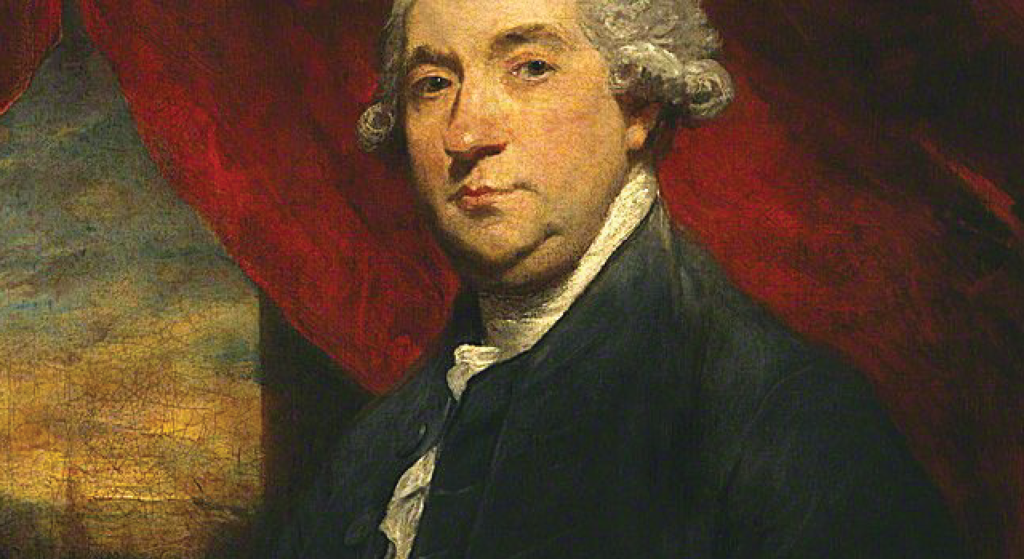
1) His Biography
James Boswell, the renowned Scottish biographer and thinker, was born on October 29, 1740, in Edinburgh. Born into a family of esteemed judges and lawyers, Boswell’s early life was marked by the expectations of a legal career. He initially pursued this path by studying law at the University of Edinburgh and later in the Netherlands. However, his true passion lay in literature and intellectual pursuits, a divergence that would shape the course of his life.
Boswell’s literary ambitions took flight when he befriended the eminent writer Samuel Johnson in 1763. This friendship would prove to be a turning point, as it not only provided Boswell with intellectual stimulation but also inspired his most significant work – “The Life of Samuel Johnson,” a biography that would secure his place in literary history. The biography, published in 1791, is considered a masterpiece, capturing the essence of Johnson’s personality and the intellectual milieu of the time.
Beyond his literary accomplishments, Boswell’s life was marked by a series of personal struggles. His battle with alcoholism and bouts of melancholia added layers of complexity to his character. Despite these challenges, Boswell’s intellectual curiosity and passion for life shone through. He traveled extensively, chronicling his experiences in journals that provided valuable insights into the social and cultural landscape of 18th-century Europe.
In addition to his famous biography of Samuel Johnson, Boswell wrote prolifically on a wide range of topics, including politics, morality, and the nature of human experience. His essays and journals reveal a mind constantly at work, grappling with the complexities of life and society. Boswell’s commitment to intellectual exploration and his ability to capture the nuances of human character have cemented his reputation as a significant figure in the Scottish Enlightenment.
As a biographer, Boswell’s approach was groundbreaking. He eschewed the dry, factual style of traditional biographies, opting instead for a more intimate and conversational tone. This choice allowed him to delve into the intricacies of his subjects’ lives, providing readers with a vivid and compelling portrait. Boswell’s innovative approach to biography laid the groundwork for future generations of writers, influencing the genre in profound ways.
In examining James Boswell’s biography, one cannot ignore the impact of his relationships on his life and work. His friendships with luminaries such as Samuel Johnson, as well as his interactions with political figures like David Garrick and Jean-Jacques Rousseau, played a crucial role in shaping his intellectual and emotional landscape. These connections enriched his writings, offering readers not only insights into the lives of his subjects but also into Boswell’s own complex and multifaceted personality.
2) Main Works
The Life of Samuel Johnson (1791):
Boswell’s magnum opus, “The Life of Samuel Johnson,” stands as a towering achievement in the realm of biographical literature. This comprehensive work provides a detailed and intimate portrait of the renowned English writer and lexicographer, Samuel Johnson. Boswell’s narrative skillfully captures Johnson’s wit, eccentricities, and intellectual prowess, painting a vivid picture of the literary and social circles of 18th-century London. The biography is not merely a chronological account but a nuanced exploration of Johnson’s character, offering insights into his thoughts on literature, morality, and society.
Journal of a Tour to the Hebrides (1786):
Boswell’s “Journal of a Tour to the Hebrides” chronicles his travels with Samuel Johnson through Scotland in 1773. The work provides a fascinating account of their journey, offering observations on the landscape, culture, and people of the region. Beyond being a travelogue, the journal showcases Boswell’s keen powers of observation and his ability to capture the essence of the places they visited. The interactions between Boswell and Johnson during the trip add depth to the narrative, revealing their contrasting personalities and intellectual exchanges.
The Hypochondriack (1777-1783):
Originally a series of essays published in the London Magazine, “The Hypochondriack” reflects Boswell’s thoughts on a wide range of topics, from literature to politics and social issues. Written under the pseudonym “The Hypochondriack,” these essays showcase Boswell’s wit, humor, and keen insights into the human condition. The collection provides a window into the mind of a thinker who grappled with his own melancholic tendencies, offering a blend of personal reflections and astute commentary on the cultural and intellectual currents of his time.
Boswell’s London Journal (1950):
This posthumously published work offers a fascinating glimpse into Boswell’s daily life and activities in London between 1762 and 1763. In the journal, Boswell candidly shares his experiences, encounters with notable figures, and reflections on literature and society. It serves as a valuable historical and biographical document, shedding light on Boswell’s formative years and providing readers with an unfiltered view of his thoughts, aspirations, and the vibrant cultural milieu of 18th-century London.
The Correspondence of James Boswell with Certain Members of the Club (1928):
This collection of Boswell’s letters, exchanged with members of the Literary Club, including luminaries like Samuel Johnson, Joshua Reynolds, and Edmund Burke, offers a unique insight into his social and intellectual circles. The letters reveal the camaraderie, discussions, and friendships that flourished within these literary and philosophical circles. Boswell’s correspondence showcases his ability to engage in intellectual discourse while maintaining genuine and often humorous connections with his peers.
An Account of Corsica (1768):
Boswell’s “An Account of Corsica” reflects his early forays into travel writing. Inspired by his admiration for the Corsican leader Pasquale Paoli, Boswell visited the island in 1765 and penned a detailed account of its history, culture, and political situation. The work not only demonstrates Boswell’s curiosity about different societies but also highlights his evolving views on liberty and governance, themes that would continue to resonate in his later writings.
3) Main Themes
Intellectual Curiosity and Enlightenment Values:
One of the central themes in James Boswell’s works is his profound intellectual curiosity and his alignment with Enlightenment values. In “The Life of Samuel Johnson,” Boswell not only captures Johnson’s intellectual pursuits but also engages in a broader exploration of the Enlightenment ideals of reason, skepticism, and the pursuit of knowledge. Boswell’s meticulous recording of conversations with Johnson showcases a commitment to intellectual exchange, reflecting the Enlightenment belief in the power of dialogue to enhance understanding. This theme is distinctive in Boswell’s approach as he elevates the biographical genre by infusing it with philosophical depth, a departure from more conventional biographical styles of his time.
Furthermore, Boswell’s “Journal of a Tour to the Hebrides” extends this theme into the realm of travel literature. As he and Johnson traverse Scotland, Boswell keenly observes and documents not only the physical landscape but also the cultural and intellectual dimensions of the places they visit. His exploration of the Hebrides becomes a microcosm of Enlightenment ideals, demonstrating a commitment to understanding and appreciating diverse cultures, an approach that aligns with the broader Enlightenment emphasis on cultural relativism.
In comparison to his contemporaries, such as Jean-Jacques Rousseau, Boswell’s intellectual curiosity stands out for its practical and conversational nature. While Rousseau’s ideas often delved into theoretical realms, Boswell’s engagement with Enlightenment values is grounded in real-life experiences, making his work more accessible and relatable.
The Complex Nature of Human Experience:
Boswell’s writings consistently delve into the intricate facets of the human experience, grappling with the complexities of emotions, relationships, and self-reflection. In “The Hypochondriack” essays, Boswell uses his personal struggles with melancholia to explore the broader theme of mental health and the challenges of maintaining emotional equilibrium. His candid and introspective approach contributes to a nuanced understanding of the human psyche, shedding light on the emotional challenges individuals face.
The theme of human experience is also prominent in “Boswell’s London Journal,” where he chronicles his daily life, social interactions, and reflections on personal growth. The journal captures moments of joy, introspection, and vulnerability, presenting a mosaic of human emotions. Boswell’s contribution lies in his candid portrayal of the highs and lows of life, contributing to a more authentic representation of the human condition.
When compared to contemporaries like Samuel Johnson, Boswell’s exploration of human experience is distinguished by its personal and introspective nature. Johnson’s focus on moral and ethical principles is complemented by Boswell’s emphasis on the emotional and psychological dimensions of human existence, offering a more holistic view of the complexities inherent in being human.
The Art of Biography and Literary Innovation:
A recurring theme in Boswell’s works is the art of biography and his innovative approach to the genre. “The Life of Samuel Johnson” stands as a pioneering work in biography, departing from the conventional dry and factual style prevalent in 18th-century biographical writing. Boswell’s contribution lies in his ability to transform biography into a dynamic and engaging form, employing a conversational and narrative style that brings his subjects to life.
In “An Account of Corsica,” Boswell’s exploration of the life of Corsican leader Pasquale Paoli showcases his interest in presenting the biographical details of historical figures within a broader historical and cultural context. This approach challenges the notion of biography as a mere chronological account, elevating it to a form of historical and cultural commentary. Boswell’s emphasis on the interconnectedness of individuals and their historical milieu is an innovative aspect that distinguishes his biographical works.
Comparing Boswell’s biographical approach to that of his contemporaries, such as Thomas Carlyle, reveals a departure from the traditional reverence and idealization of subjects. Boswell’s willingness to portray the flaws, idiosyncrasies, and vulnerabilities of his subjects contributes to a more authentic and humanized form of biography, setting a precedent for future generations of biographers.
Friendship and Intellectual Exchange:
Friendship, particularly intellectual companionship, emerges as a prominent theme in Boswell’s life and works. His friendship with Samuel Johnson is at the heart of “The Life of Samuel Johnson,” providing a framework for exploring the dynamics of intellectual camaraderie. Boswell’s meticulous recording of conversations between himself and Johnson not only highlights the depth of their friendship but also serves as a testament to the importance of intellectual exchange in shaping individual perspectives.
In “The Correspondence of James Boswell with Certain Members of the Club,” Boswell’s letters to fellow members of the Literary Club, including Johnson, reveal the significance of these friendships in fostering intellectual growth. The letters not only serve as a medium for sharing ideas but also reflect the mutual respect and camaraderie that defined these relationships. Boswell’s contribution lies in his ability to document and celebrate the intellectual communities that flourished during the Enlightenment.
When compared to other thinkers of his time, such as Voltaire or Denis Diderot, Boswell’s emphasis on friendship as a catalyst for intellectual exploration and growth sets him apart. While Voltaire and Diderot engaged in philosophical debates through letters, Boswell’s focus on the personal and emotional dimensions of friendship adds a unique layer to his exploration of intellectual exchange.
Reflections on Liberty and Governance:
The theme of liberty and governance surfaces prominently in Boswell’s works, particularly in “An Account of Corsica.” Inspired by the Corsican struggle for independence led by Pasquale Paoli, Boswell explores the concepts of liberty and governance within the context of Corsican history. His detailed account provides a platform for examining the political aspirations of a people striving for self-determination.
Boswell’s reflections on liberty in “The Hypochondriack” essays extend beyond political contexts to encompass personal freedom and autonomy. His struggles with melancholia become a metaphor for the challenges individuals face in maintaining mental and emotional freedom. Boswell’s contribution lies in intertwining the political and personal dimensions of liberty, offering a nuanced perspective on the interconnectedness of individual and societal freedoms.
When compared to political philosophers like John Locke or Montesquieu, Boswell’s exploration of liberty is distinctive for its personal and experiential foundation. While Locke and Montesquieu provided theoretical frameworks for understanding political liberty, Boswell’s work brings these concepts to life through the lived experiences of individuals, contributing to a more accessible and relatable discourse on the relationship between liberty and governance.
4) His Relationship with Johnson
The relationship between James Boswell and Samuel Johnson is a central and captivating aspect of Boswell’s life and works. Born out of a chance meeting in 1763, their friendship would evolve into one of the most celebrated literary partnerships of the 18th century. This bond between the Scottish biographer and the English essayist and lexicographer would profoundly influence both men, leaving an indelible mark on the landscape of literature and intellectual discourse.
From the outset, their connection was marked by a unique chemistry. Boswell, with his affable and eager nature, found in Johnson a mentor and intellectual companion of unparalleled depth. Johnson, in turn, appreciated Boswell’s genuine curiosity, wit, and unreserved admiration. Their interactions, meticulously documented by Boswell in journals and later in “The Life of Samuel Johnson,” reveal a dynamic relationship built on mutual respect, intellectual exchange, and genuine affection.
The heart of their friendship lay in the frequent and spirited conversations they shared. Boswell, ever the attentive chronicler, meticulously recorded Johnson’s thoughts, opinions, and anecdotes. The result, “The Life of Samuel Johnson,” is a testament to the richness of these dialogues. Boswell not only captured Johnson’s intellectual brilliance but also humanized him, revealing the complexities of his character, from his idiosyncrasies to his struggles and moments of vulnerability.
Boswell’s portrayal of Johnson goes beyond mere hero-worship; it delves into the intricacies of a genuine and sometimes tumultuous friendship. Their exchanges were not always harmonious, as Boswell occasionally found himself on the receiving end of Johnson’s acerbic wit. Yet, these moments of tension only served to deepen their connection, illustrating the authenticity of their bond.
The relationship also extended beyond the realms of literature and intellectual pursuits. Boswell and Johnson shared a camaraderie that transcended the page, as they navigated the challenges of life, love, and personal aspirations. Boswell’s journals, particularly “Boswell’s London Journal,” provide glimpses into their shared experiences, from evenings at taverns to the solitude of Boswell’s struggles with melancholy.
In the broader context of literary history, Boswell and Johnson’s relationship stands out as a microcosm of the Enlightenment’s emphasis on intellectual exchange and the pursuit of knowledge. Their friendship became a forum for exploring a wide array of topics, from literature and philosophy to politics and society. This intellectual synergy not only enriched their individual works but also contributed to the broader cultural milieu of 18th-century Britain.
The impact of their relationship endured long after Johnson’s death in 1784. Boswell’s biographical masterpiece ensured that Johnson’s legacy lived on, and Boswell himself became an influential figure in the literary landscape. Their friendship, with all its complexities and nuances, remains a compelling chapter in the history of literary partnerships, demonstrating the transformative power of intellectual camaraderie and genuine friendship.
5) His Legacy
James Boswell’s legacy is multi-faceted, spanning literature, biography, and the broader cultural landscape of the 18th century. While he may be best known for his groundbreaking work, “The Life of Samuel Johnson,” Boswell’s influence extends beyond this seminal biography, leaving an enduring impact on the way we approach literature, biography, and the understanding of the human experience.
At the heart of Boswell’s legacy is his transformative approach to biography. “The Life of Samuel Johnson” revolutionized the genre, introducing a more intimate, conversational style that breathed life into the subjects. Boswell’s meticulous recording of conversations, his willingness to showcase the flaws and idiosyncrasies of his subjects, and his emphasis on the personal and emotional dimensions of their lives set a new standard for biographical writing. This innovative approach laid the groundwork for future generations of biographers, influencing the likes of Lytton Strachey and Virginia Woolf.
Beyond the realm of biography, Boswell’s writings, including his journals and essays, offer a rich tapestry of 18th-century life. His travelogue, “Journal of a Tour to the Hebrides,” provides a vivid snapshot of Scotland and its cultural landscape. Boswell’s ability to blend personal observations with broader cultural and intellectual insights contributes to a nuanced understanding of the historical and social contexts in which he lived. This commitment to capturing the essence of his times positions Boswell as both a chronicler and a participant in the Enlightenment.
Boswell’s legacy also extends to his influence on the art of conversation and intellectual exchange. His friendship with Samuel Johnson, immortalized in his writings, serves as a model for the power of genuine and meaningful discourse. The dialogues between Boswell and Johnson, characterized by wit, depth, and occasional tension, showcase the potential for intellectual exchange to shape ideas and perspectives. This legacy resonates in the works of subsequent thinkers who valued the art of conversation as a means of exploring and refining their thoughts.
In the realm of letters, Boswell’s correspondence with members of the Literary Club and other contemporaries sheds light on the vibrant intellectual communities of his time. His letters not only reveal the intricacies of personal relationships but also contribute to a broader understanding of the intellectual currents that flowed through 18th-century Britain. Boswell’s legacy is, in part, the legacy of these intellectual circles that fostered creativity, discussion, and the exchange of ideas.
Boswell’s impact on the understanding of human experience is another facet of his legacy. His exploration of the complexities of emotions, relationships, and personal struggles, particularly evident in “The Hypochondriack” essays, adds a layer of depth to his legacy. Boswell’s candid and introspective approach to the human condition sets him apart, demonstrating a willingness to grapple with the nuances of life in a way that resonates with readers across time.
6) Some Quotes
“I do not love a man who is zealous for nothing.” – James Boswell
“The true measure of a man is how he treats someone who can do him absolutely no good.” – James Boswell
“To be happy at home is the ultimate result of all ambition.” – James Boswell
“Curiosity is one of the most permanent and certain characteristics of a vigorous intellect.” – James Boswell
“We are inclined to believe those whom we do not know because they have never deceived us.” – James Boswell